 40+ Yrs Experience
Dr. K. Amarnath
M.B.B.S., D.C.H.
Consultant & Director

Typically replies instantly

Compassionate evaluation and therapy for receptive and expressive language delay, late talking, vocabulary gaps and comprehension difficulties, guided by experienced specialists and a caring team.
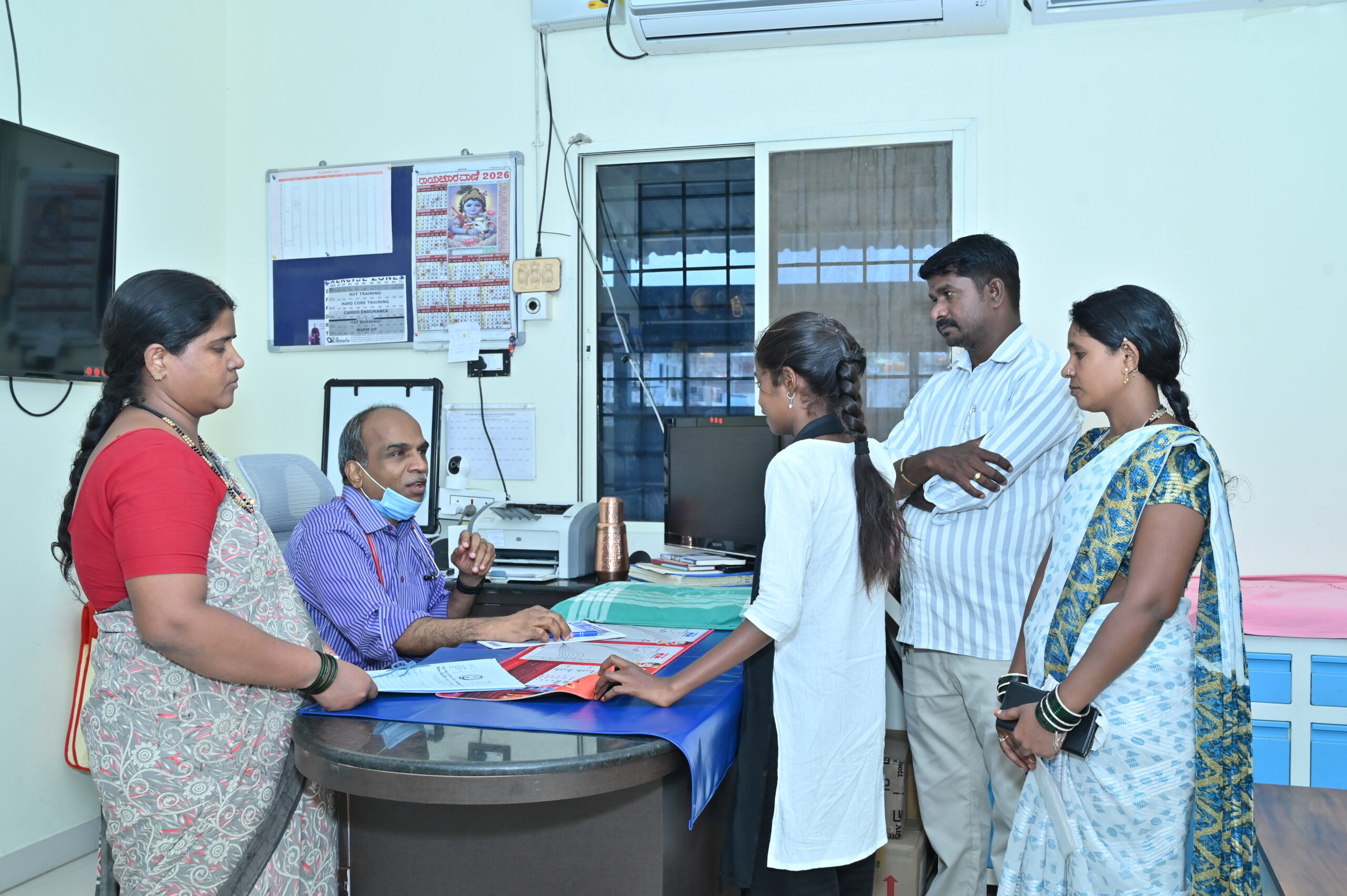
A child who isn't talking as much as their friends may simply need a little more time — or may be facing a genuine gap in understanding or using language. A toddler with very few words, a child who struggles to follow instructions, or one who can't yet form full sentences may all be showing signs of a language delay that looks different from child to child. That's why care can't start with guesswork.
Our speech and language team begins with a detailed conversation with the child and family, supported by structured language assessments where needed, to understand exactly where the delay lies — receptive, expressive, or both — before recommending therapy, and adjusts that plan as your child responds, session by session.
Language Develops Differently in Every Child
Language delays can show up in how a child understands words, expresses thoughts, or builds vocabulary and sentences. Our team evaluates each pattern individually to build the right plan for your child.
Select a Condition
A clear, child-focused approach to understanding language delays and planning the right support.
We understand your child's language history, developmental milestones and how they use and understand words through a focused evaluation with the family.
A careful conversation with the child and family helps map vocabulary, sentence use and comprehension patterns to guide the next stage of assessment.
When required, standardized receptive and expressive language tests help our specialists pinpoint exactly where the delay lies.
Structured language testing may be advised when clinically required to understand the child's comprehension and expression profile in detail.
Based on the assessment and the specific type of delay, a personalized therapy plan is developed to build vocabulary, sentence skills and comprehension.
Therapy is planned according to whether the delay is receptive, expressive, or mixed, and adapted to the child's age and individual needs.
Regular follow-up sessions help track your child's vocabulary and language growth, review response to therapy, and adjust the care plan when needed.
Regular reviews help monitor language progress, understand therapy response, and make changes to the care plan when required.
Meet our team of experienced pediatricians committed to providing attentive, compassionate, and comprehensive care for children at every stage of growth.
40+ Yrs Experience
M.B.B.S., D.C.H.
Consultant & Director
 25+ Yrs Experience
M.B.B.S., D.C.H., F.I.A.P., P.G.P.N. (Boston)
Consultant & Director
 30+ Yrs Experience
M.B.B.S., D.C.H.
Consultant & Director
 27+ Yrs Experience
M.B.B.S., D.C.H., D.N.B.
Consultant & Director

M.B.B.S., D.C.H. (Ped)
Consultant & Director
 25+ Yrs Experience
M.D. (Ped)
Consultant & Director
Leave your details and our care team will contact you to guide you with the next step.
Simple answers to common questions about childhood language delay and speech-language care.
A language delay means a child's understanding or use of language is behind what is typically expected for their age. It can affect vocabulary, sentence building, comprehension, or all of these together.
Not necessarily. Children reach language milestones at different rates. A structured evaluation helps determine whether late talking needs further support or simply more time.
Receptive language delay affects how a child understands words and instructions, while expressive language delay affects how a child uses words and sentences to communicate. Some children experience both together.
Consider an evaluation if your child has a limited vocabulary for their age, struggles to follow simple instructions, isn't combining words into sentences on time, or has difficulty understanding questions and stories.
An assessment typically includes a detailed conversation with the family, standardized language testing where needed, and observation of how the child understands and uses language in everyday situations.
Yes. With early evaluation and a therapy plan suited to the specific type of delay, most children show steady, measurable progress in understanding and using language.